No power in the shed, and no plans to run a cable down the garden? You’re not alone. Finding a heater for shed without electricity is one of the most common questions we get, and the honest answer is that the best results come from keeping heat in, rather than finding a clever gadget to make it.
Below we cover every realistic option, from free solar warmth to gas heaters, with the safety caveats that go with them. Some of these work brilliantly. Some are best avoided in a small timber building.
Start by keeping the heat in
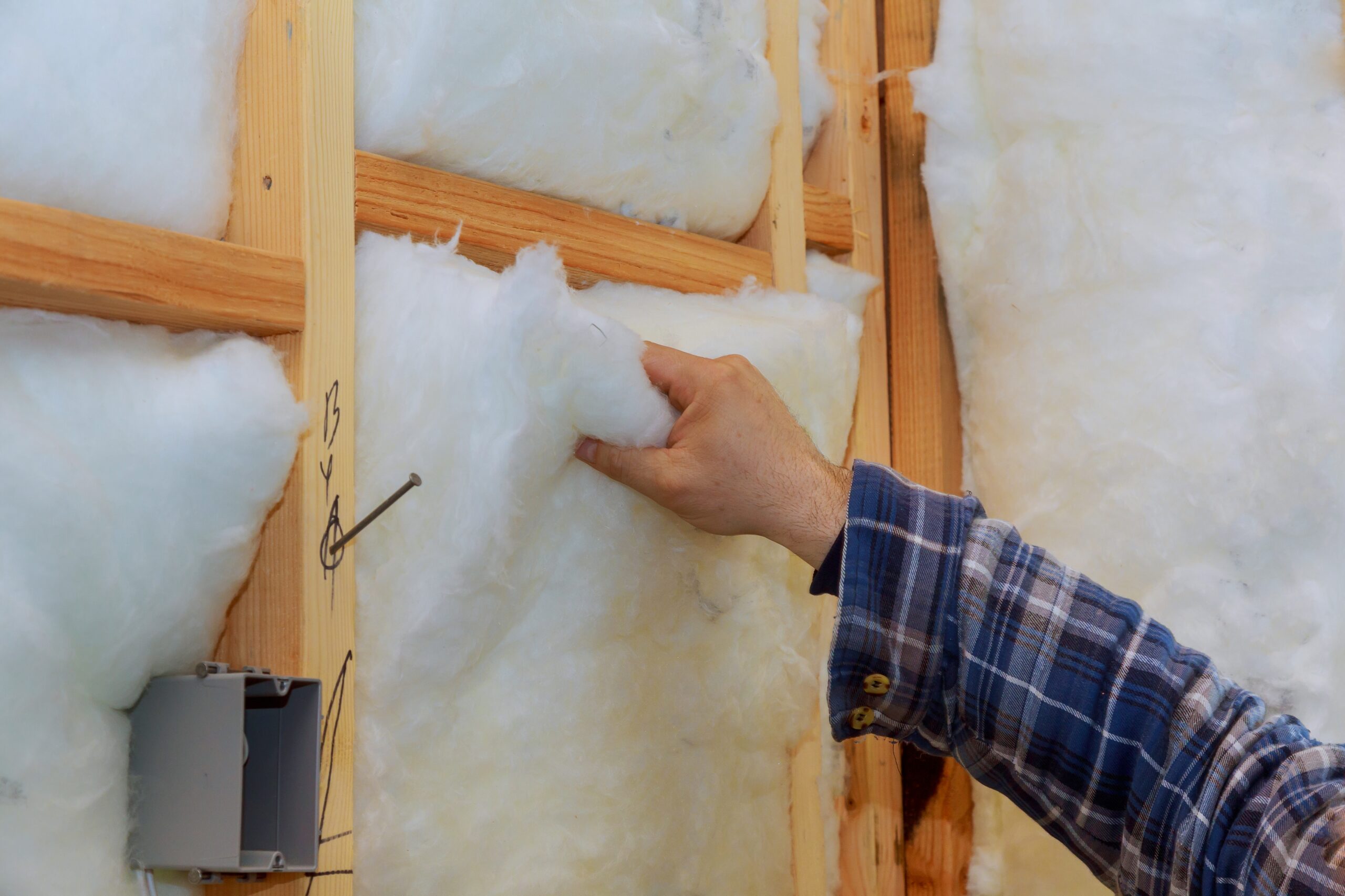
Before spending anything on a heater, look at where the warmth is going. A typical garden shed has thin walls, a draughty door and gaps around the windows. Insulating the walls and roof, sealing draughts and putting something on the floor can make a cold shed feel noticeably milder, even with nothing but your own body heat and a flask of tea. Our guide on how to insulate a shed walks you through it.

Best way to hold on to warmth
25mm PIR Insulation Board, 600mm x 1200mm, Pack of 4
PIR insulation board between the studs and rafters is the single biggest upgrade for a cold shed. It costs nothing to run and makes every other heat source go further.
- No running costs
- Works with any heat source
- Cut to fit standard shed framing

Cheapest place to start
The Fellie 8.4m x 0.6m Aluminium Bubble Foil Insulation Roll
A roll of bubble foil is a low-cost first step. It reflects radiant heat back into the shed and helps cut down drips in metal sheds.
- Very cheap
- Quick to fit with a staple gun
- Good for small sheds
Use free solar warmth
A sunny window is a heater you don’t have to pay for. Even in winter, low sun through glass can warm a small shed nicely during the day. To make the most of it:
- Position the shed, or at least the windows, to face south if you’re buying new.
- Keep windows clean and clear of clutter.
- Add dark-coloured objects or a few water containers inside, which soak up heat during the day and release it slowly.
- Close up before the sun drops so the warmth stays in.
Some people build DIY solar air heaters: a dark-painted box with a glazed front that warms air and feeds it into the shed. They can work on bright days, but results vary a lot and they do little on grey ones.
If you’re choosing a new shed with this in mind, a summerhouse-style design with plenty of glazing makes the most of the sun. Have a look at our best summer house sheds for ideas.
Can a solar panel run a shed heater?
This is where expectations need managing. A small solar kit is fantastic for lights and charging batteries, but electric heaters need a lot of power, often hundreds or thousands of watts. A typical shed solar kit simply can’t keep up, especially in winter when the days are short. A true solar heater for shed use, in the electrical sense, would need a large panel array and battery bank.

Best solar kit for lights and charging
ECO-WORTHY 25W Complete Solar Panel Kit with Battery
A complete kit with panel and battery is brilliant for running LED lights, charging tool batteries and powering small 12V gadgets in an unpowered shed. Just don’t expect it to run a heater.
- Panel and battery included
- Ideal for lighting
- No cabling from the house
Tip: Use solar for light and the stuff that makes the shed usable, then rely on insulation and clothing for comfort. It’s a far more realistic setup.
Gas heater in a shed: is it safe?
Portable gas heaters, usually running on butane or propane, will put out serious heat without any electricity. But a gas heater shed setup comes with real risks, and we’d urge caution.
- Carbon monoxide. Burning gas uses oxygen and can produce carbon monoxide, which you can’t see or smell. In a small, sealed shed this is genuinely dangerous.
- Condensation. Gas heaters release a lot of water vapour, which can make damp and mould worse.
- Fire risk. Timber walls, stored fuel and dust don’t mix well with open flames.
- Gas storage. Cylinders should be stored and changed exactly as the supplier advises.
If you do use one, follow the manufacturer’s guidance on minimum room size and ventilation, never leave it running unattended, never sleep with it on, and fit a carbon monoxide alarm. Many manufacturers specifically warn against use in small or poorly ventilated spaces, so check before you buy.
What about a wood burner?
A small wood burner in a log cabin or larger garden room can be lovely, but it isn’t a casual DIY job. Installing a stove and flue falls under Building Regulations (Part J in England), so you’ll need a HETAS-registered installer or building control sign-off. You’ll also need to think about clearances from timber walls, a non-combustible hearth and a carbon monoxide alarm. In a standard garden shed, it’s rarely practical or safe.
If you’re set on a stove, a thicker-walled log cabin is a better candidate than a thin overlap shed. Check with your local council or the Planning Portal before you start, too.
Low-tech ways to stay warm
Sometimes the simplest options are the best, especially for short sessions. Often the most practical heater for shed without electricity is the one you’re wearing:
- Layer up properly, with thermal socks and a hat.
- A hot water bottle or microwavable heat pad brought out from the house.
- Rechargeable hand warmers.
- A thick rug or foam mats on the floor to stop the cold coming up.
- Thermal curtains or a blind over the window after dark.
Heater for shed without electricity: options compared
| Option | Heat output | Running cost | Safety |
|---|---|---|---|
| Insulation | None directly Holds existing heat in | Free One-off cost only | Very safe Watch for condensation |
| Passive solar | Low to moderate Daytime only | Free Needs sunny windows | Very safe No fuel or flames |
| Solar kit | Very low Lights and gadgets, not heating | Free once bought Battery replacement later | Safe Follow kit instructions |
| Gas heater | High Quick warmth | Moderate Gas refills | Real risks CO, fire and damp: ventilate and fit an alarm |
If you decide power is worth having after all, our guide to the best shed heaters covers safe electric options.
FAQs
What is the best heater for shed without electricity?
There isn’t a perfect one. Gas heaters give the most heat but carry carbon monoxide, fire and damp risks, so they need ventilation and a CO alarm. For most people, insulation plus passive solar warmth is the safest, cheapest approach.
Can I use a camping gas heater in my shed?
Only if the manufacturer says it’s suitable for that size of space and you follow their ventilation guidance. Never leave it unattended or sleep with it on, and fit a carbon monoxide alarm. Many are designed for outdoor or well-ventilated use only.
Will a solar heater for shed use actually work?
A passive solar air heater can add a bit of daytime warmth on bright days. A small solar panel kit, on the other hand, won’t produce enough power to run an electric heater. It’s much better suited to lighting and charging.
How can I keep my shed warm for free?
Seal draughts, insulate where you can, keep the windows clean to let in sunshine and close up before dark. A rug on the floor helps too. It won’t be toasty, but it makes a real difference.