A wooden shed that’s treated properly can last 15 or 20 years. One that’s left to fend for itself might struggle to see five. The difference is a couple of hours, a brush and a tin or two of the right stuff, once every year or two.
Dip-treated vs pressure-treated
Most budget sheds are dip-treated: the timber is dipped in a coloured preservative that only protects the surface. These need treating as soon as you put them up, then every year or so. Pressure-treated (tanalised) timber has preservative forced deep into the wood and needs far less attention, though a coat of paint still helps it look good and shed water.
What you’ll need
- A stiff brush and a bucket of soapy water
- A wood preserver, for bare or weathered timber
- A shed and fence paint or stain in your colour
- A 4-5 inch brush (or a sprayer for big sheds)
- Dust sheets for plants and paths
Step by step
- Pick a dry spell. You want at least two dry days, above 10°C, so the timber is dry and the treatment can soak in.
- Clean it. Brush off dirt, cobwebs and moss. Wash green algae off with soapy water and let it dry.
- Preserve bare wood. On new or weathered timber, apply a wood preserver first, especially on the end grain and the bottom boards.
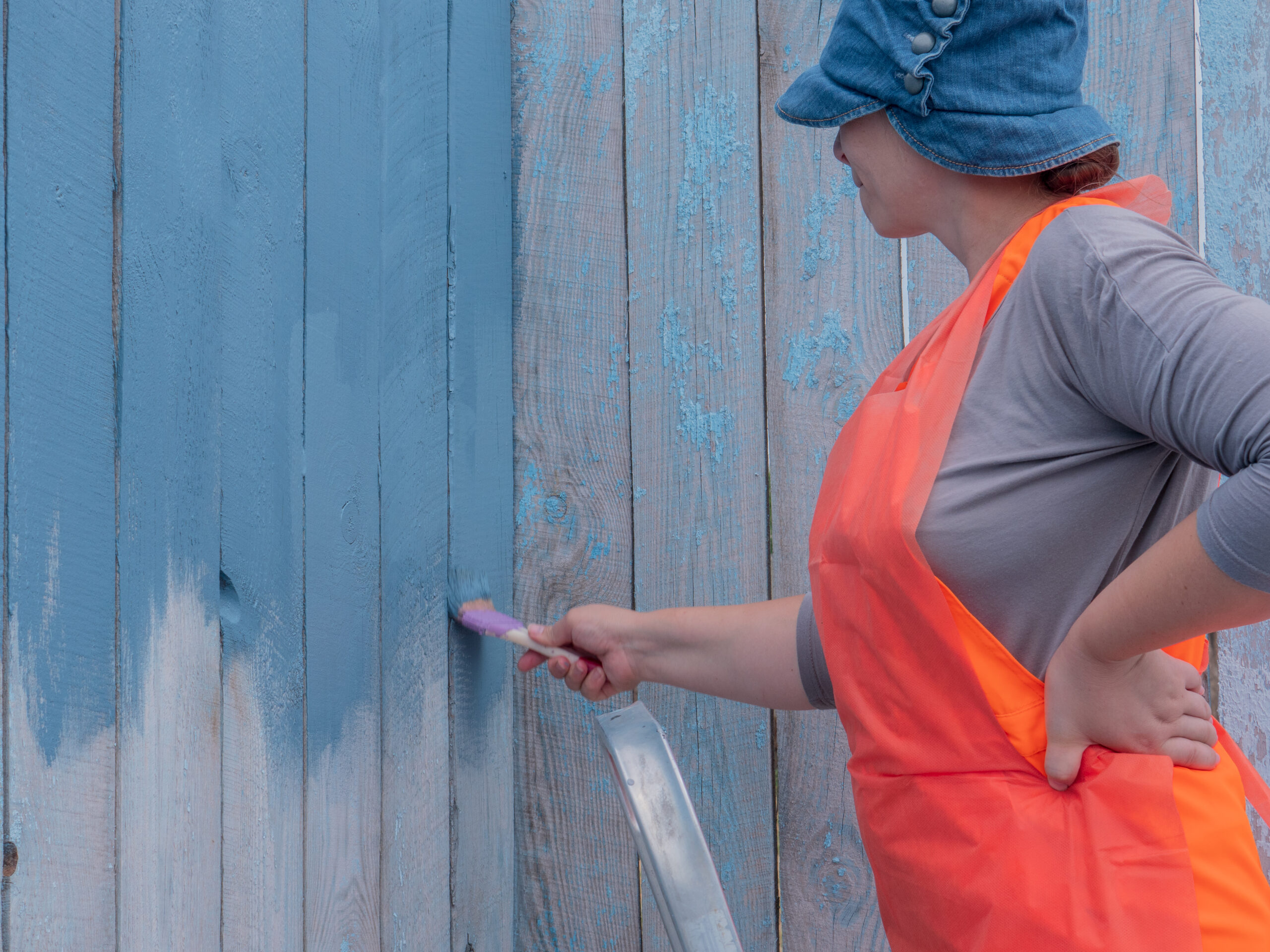
- Paint or stain. Work along the length of the boards, top to bottom. Two thin coats beat one thick one.
- Don’t forget the hidden bits. Treat the back panels before you put the shed against a fence, and the floor bearers before it goes on the base.
Our recommended treatments

Best all-round shed paint
Cuprinol 5 year Ducksback Shed & Fence Paint 5ltr
Cuprinol Ducksback is a firm favourite: quick to apply, water-repellent and a good range of natural colours.
- Up to 5 years’ protection
- Water repellent
- Easy to apply

Best for colour
Cuprinol Garden Shades, Willow 2.5L
Garden Shades lets you turn a shed into a feature, with dozens of colours from soft greens to bold blues.
- Huge colour range
- Protects and decorates
- Works on sheds, fences and furniture

Best preserver for bare wood
Everbuild Triple Action Wood Treatment, Clear 5L
Everbuild’s Triple Action kills, protects and preserves. Ideal as a first coat on new or bare timber.
- Kills wood-boring insects
- Protects against rot
- Clear, so paint over it
Check the roof every autumn
Roof felt is the shed’s first line of defence. Every autumn, look for tears, lifting edges and bald patches. Small splits can be patched with felt adhesive. If it’s cracking all over, re-felt the roof. It’s a manageable DIY job on a dry day with a roll of felt and some clout nails.

Good-quality shed felt
IKO Shed Roofing Felt, 10m Standard Grade
A standard-grade roofing felt from IKO, available in a few colours and lengths.
- Several colours
- Mineral finish
- Easy to cut and fit

Felt nails
Noosverl 100pcs Felt Nails for shed roof,Clout Nails Roofing Felt
Galvanised clout nails for fixing felt. You’ll need plenty.
- Galvanised
- Big pack
- Right length for felt
A simple yearly routine
- Spring: clean down, check for rot and give it a fresh coat if needed.
- Summer: open the doors on dry days to air it out.
- Autumn: clear leaves from the roof, check the felt, clear gutters.
- Winter: keep the doors closed and check for leaks after storms.
Browse all shed paint and treatments, or read up on cladding types to see which sheds need the most care.