There’s nothing like walking into a shed on a January morning and finding your breath hanging in the air. A decent shed heater changes that, whether you want to keep frost off stored paint and plants or actually sit and work out there without wearing gloves.
The trick is matching the heater to the job. A tiny tube heater ticking away all winter is a very different beast to a fan heater you blast for an hour on a Saturday. Below are the heaters we’d pick, followed by the bits that matter most: power, safety and making the heat stick around.
Which type of shed heater do you need?
Most people end up choosing between three types. Here’s how they compare at a glance.
| Feature | Tube heater | Fan heater | Oil-filled radiator |
|---|---|---|---|
| Best for | Frost protection Low, steady background heat | Quick warmth Heats a small space fast | Comfort Gentle, even heat for long sessions |
| Running cost | Low Usually tens of watts, not kilowatts | Higher Often up to 2kW on full | Medium Thermostat keeps it in check |
| Safety notes | Very low risk Surface stays warm, not scorching | Keep clear Away from sawdust, fabric and fumes | Stable Keep upright, away from clutter |
| Leave on unattended? | Generally yes If the maker says so and the supply is safe | No Use only while you’re in there | Check the manual Many are designed for it |
Our pick of the best shed heaters
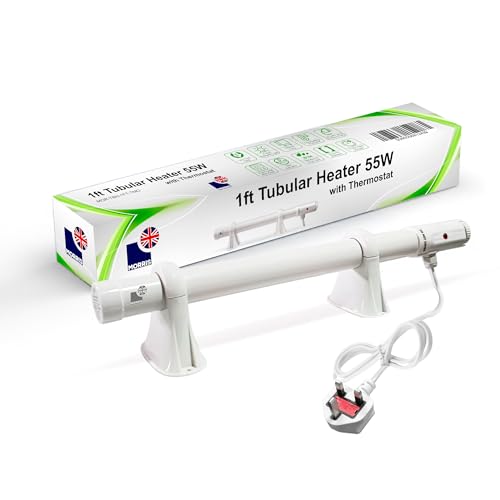
Best tube heater for frost protection
Morris Tubular Heater with Built-in Thermostat
Tube heaters are the classic choice for sheds and greenhouses because they sip electricity and give off a gentle background warmth. This one has a built-in thermostat, so it only kicks in when the temperature drops rather than running flat out all night.
- Built-in thermostat saves running costs
- Slim, wall-mounted design
- Ideal for keeping frost off stored items

Best tube heater with a timer
Elixir Gardens Low Energy Tube Heater with Digital Timer
If you know when you’ll be using the shed, a timer is handy. Set it to come on half an hour before you head out and the chill is off by the time you open the door.
- Digital timer
- Low-energy design
- Good for regular, predictable use
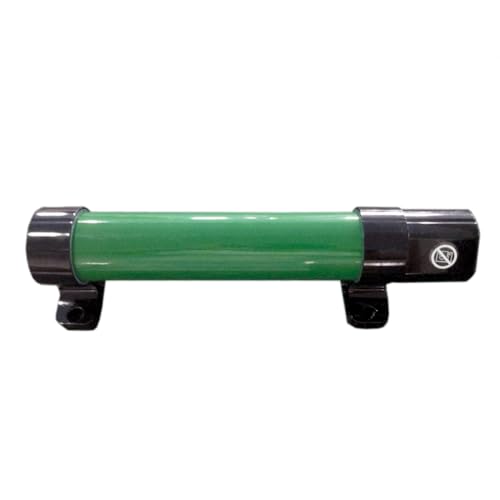
Best budget tube heater
LightHouse 45W Eco Heat Tube Heater
A very low-wattage tube heater for small sheds and potting spaces. It won’t make a cold shed toasty, but it’s brilliant at stopping things freezing, and it costs pennies to run.
- Very low power draw
- Simple and compact
- Great for small sheds and greenhouses

Best for quick warmth while you work
DAHTEC 2000W Ceramic Fan Heater with Thermostat
When you want to actually feel warm, a ceramic fan heater is the fastest route. Use it while you’re in the shed, then switch it off when you leave. The thermostat stops it overcooking a small space.
- Heats a small shed fast
- Thermostat control
- Portable, so it can come back indoors

Best upgrade to make any heater work better
25mm PIR Insulation Board, 600mm x 1200mm, Pack of 4
Not a heater, but it might save you more than one. PIR boards between the wall studs and roof rafters keep the heat you’re paying for inside the shed. Pair them with any of the heaters above.
- Big jump in heat retention
- Easy to cut to size
- Works with any heating
How much heat does a shed need?
There’s no perfect formula, because an uninsulated overlap shed leaks heat like a sieve while a lined, insulated one hangs on to it. As a rough guide:
- Frost protection only: a small tube heater is usually plenty for a typical garden shed, especially with a thermostat.
- Pottering for an hour or two: a fan heater or small oil-filled radiator will take the edge off quickly.
- Working out there regularly: insulate first, then heat. Without insulation you’re paying to warm the garden.
If you’re thinking about using the shed as an office, it’s worth reading our guide to summerhouses vs log cabins. Thicker walls make a huge difference, and our garden offices are built with year-round use in mind.
Electric heater options: convection, infrared and panel
Beyond the three main types, there are a few other electric heaters available that suit certain sheds and workshops. Here’s what’s worth knowing before you choose.
Convection heaters
Convection heaters work by warming the air, which then rises and circulates around the room. Oil-filled radiators and most panel heaters fall into this group. They’re good at taking the chill off the whole space, but in a draughty shed that warm air escapes fast, so they’re at their most efficient in an insulated building.
Infrared heaters
Infrared heaters warm you and the objects in front of them directly, rather than the air. That makes them a decent pick for larger, draughty workshops where you’re stood at a bench, because you feel the warmth almost straight away. Wall-mounted models stay out of the way of sawdust and clutter.
Panel heaters
Slim wall-mounted panel heaters are a tidy option for garden offices and hobby rooms. Many models come with an automatic thermostat and a timer, so they’re easy to set and forget. Check the output suits the size of your building before you buy.
Heater safety in a shed: the non-negotiables
This is the bit that really matters. Sheds are full of things that burn: timber walls, fuel, paint thinners, dust sheets. A few rules keep you safe.
- Get the power supply right. Running a heater off an extension lead trailed from the house is a bad idea long term. A proper outdoor supply should be installed by a qualified electrician, with RCD protection. New circuits to outbuildings are notifiable under Part P of the Building Regulations in England and Wales, so a registered electrician can sign it off for you.
- Follow the manufacturer’s instructions. Check whether the heater is suitable for the space, how much clearance it needs and whether it can be left on unattended.
- Check cords and plugs. Look over cords and plugs before each winter and replace anything cracked, scorched or loose. Never run a heater from a coiled-up extension reel.
- Store flammables well away. Petrol, mower fuel, solvents and aerosols should never sit near a heater.
- Never cover a heater. No drying gloves on it, no dust sheets draped over it.
- Avoid unvented gas and paraffin heaters in small sheds. They give off carbon monoxide and a lot of moisture. If you do use one, follow the maker’s ventilation guidance to the letter and fit a carbon monoxide alarm.
- Fit a smoke alarm. A cheap battery smoke alarm in the shed is a small price for peace of mind.
Tip: A plug-in thermostat or timer is one of the cheapest ways to cut running costs. It means the heater only works when it’s genuinely needed.
How to keep your shed warm in winter
A heater on its own can only do so much. Most garden sheds have thin walls, gaps around the doors and a roof that lets heat straight out. Lining the walls and roof with insulation board, then covering it with ply or OSB, is the single biggest upgrade you can make. Sealing gaps around windows and fitting a draught strip on the door helps too. You’ll find insulation rolls and boards in our shed accessories.
Cladding matters as well. Tongue and groove holds heat far better than thin overlap boards. Our guide to shed cladding types explains why, and it’s worth a look if you’re buying a new shed to heat.
Heating a shed vs keeping it dry
A bit of gentle warmth also fights damp. Cold surfaces attract condensation, which is how tools rust and stored cushions go mouldy. A low-wattage tube heater on a thermostat helps keep surfaces above the dew point. If you’ve got a metal shed, read our guide to stopping condensation in a metal shed as well, because heat alone won’t fix poor ventilation.
FAQs
What is the best heater for a shed?
For frost protection, a thermostatically controlled tube heater is the best heater for a shed: cheap to run and gentle. For working in the shed, a fan heater or oil-filled radiator gives quicker warmth. Whatever you choose, insulate the shed first or much of the heat will escape.
Can I leave a heater on in my shed overnight?
Only if the manufacturer says the heater is suitable for unattended use, and only on a safe, properly installed supply. Tube heaters are often designed for this; fan heaters generally aren’t. Keep flammable items well away and fit a smoke alarm.
What is the cheapest electric heater to run per hour in the UK?
Generally, the lowest-wattage heater that does the job. Running cost is simply the power used multiplied by your unit rate, so a tube heater drawing a few tens of watts costs a fraction of a 2kW fan heater per hour. A thermostat cuts it further by stopping the heater when it isn’t needed.
Do electric space heaters use a lot of electricity?
Bigger ones can. A 2kW fan heater on full uses 2kWh every hour, which adds up if it’s left running. Tube and small panel heaters use far less. Insulating the shed and using a thermostat or timer are the simplest ways to make any electric heater more efficient.
Do I need an electrician to put power in my shed?
For a permanent supply, yes. Running a new circuit to an outbuilding is notifiable work under Part P in England and Wales, so use a registered electrician who can certify it. They’ll make sure it has the right cable, RCD protection and outdoor-rated sockets.