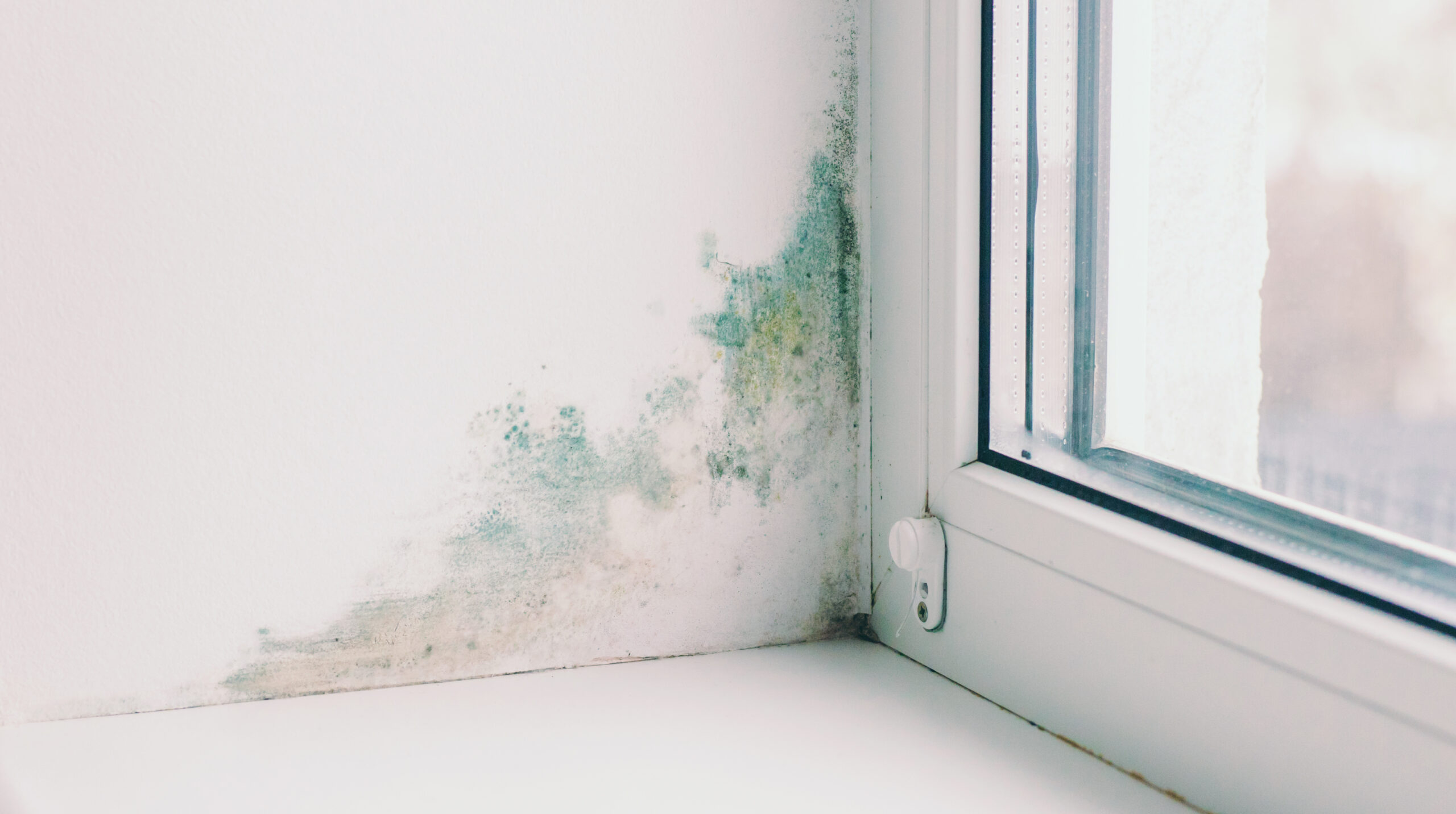
You open the shed door and there it is: that musty smell, a bloom of mould on the cushions and a fresh layer of rust on your tools. Damp in shed spaces is incredibly common in the UK, but it’s rarely a mystery once you know where to look.
The fix is almost always a mix of stopping water getting in, letting moist air get out and keeping surfaces a little warmer. Here’s how to find the cause and sort it for good.
What causes damp in shed walls and floors?
There are four usual culprits, and many sheds have more than one.
- Leaks. Damaged roof felt, gaps around windows or cladding that’s dried out and split.
- Ground moisture. A shed sitting on soil or a base that holds water will draw damp up through the floor.
- Condensation. Warm, moist air meeting cold surfaces, especially on cold mornings. This is the big one for metal sheds.
- Poor ventilation. A sealed-up shed with no airflow keeps every bit of moisture trapped inside.
Tip: Tape a square of kitchen foil to the inside of a wall overnight. Damp on the room side means condensation; damp underneath means moisture coming through the wall.
Step 1: Stop the water getting in
Start at the top. Inspect the roof felt for splits, lifting edges and missing nails, and repair or replace it. Look around windows and doors for gaps, and go over the cladding for cracks and holes. A coat of treatment helps the wood shed rain rather than soak it up. Our guide on treating a wooden shed covers this.
Gutters make a big difference too. Without one, rain pours off the roof and splashes back onto the walls and base, which is a common cause of a damp shed floor.

Best for keeping water off the walls
FloPlast Miniflo Shed Guttering Pack, 2m
A small shed gutter pack carries rainwater away from the walls and base. It’s an easy afternoon job and helps stop the splash-back that soaks the bottom boards.
- Sized for sheds
- Stops splash-back
- Can feed a water butt
Step 2: Fix the base
A shed should sit on a firm, level base that’s raised off the soil and drains well. Concrete, slabs or a plastic grid filled with gravel all work. If your shed is sitting on bare ground or sinking slabs, damp will keep coming back however much you ventilate. Our shed base guide explains the options, and you can browse shed bases here.
Clear soil, leaves and plants away from the walls too. Anything piled up against the timber holds moisture against it.
Damp proofing a shed floor
If the problem is damp rising from below, look at what sits between the base and the floor. When you build a new concrete base, it’s worth laying a damp proof membrane (DPM) under the slab to stop rising damp. On an existing base, a strip of DPM or heavy-duty polythene between the slab and the floor bearers does a similar job, and pressure-treated bearers lift the wooden floor clear of any standing water.
Most garden building makers recommend this kind of damp proofing, and it’s far easier to install before the shed goes up. If you’re moving or replacing a shed anyway, sort the base and materials first.
Step 3: Get the air moving
Ventilation is the most overlooked fix. A shed needs some airflow to carry moisture away. You can:
- Open the door and windows for an hour or two on dry, breezy days.
- Fit small vents high on opposite walls for cross-ventilation.
- Avoid packing items tight against the walls, so air can move behind them.
- Don’t dry wet clothes, dogs or garden kit in the shed if you can help it.
Step 4: Control moisture inside
Once leaks and ventilation are sorted, moisture absorbers or a small dehumidifier mop up what’s left. Absorbers need no power, which makes them ideal for most garden sheds. A compact electric dehumidifier works well if you have a safe, properly installed power supply.

Best reusable absorber
UniBond AERO 360 Moisture Absorber
A neat moisture absorber that uses refill tabs. Put one in a corner and swap the tab when it’s spent.
- No power needed
- Refillable
- Tidy design

Best value multipack
ANSIO Moisture Absorbers, Pack of 10
A pack of ten disposable absorbers lets you spread them around a larger shed, near tools, cushions and anything else you want to protect.
- Ten in a pack
- Cheap to replace
- Good for bigger sheds

Best for powered sheds
EasyAcc 1200ml Compact Dehumidifier
A compact dehumidifier pulls moisture out of the air and collects it in a tank. Only use it on a safe outdoor-rated supply, ideally installed by a qualified electrician, and follow the manufacturer’s guidance.
- Pulls water from the air
- Compact size
- Handy for garden offices
Step 5: Deal with existing mould
Once the cause is fixed, clean off any mould. Wear gloves and a mask, and ventilate well while you work.
- Take everything out and let the shed air out on a dry day.
- Brush off loose mould outside, away from the house.
- Wipe surfaces with a suitable mould cleaner, following the product instructions.
- Let it dry fully before putting anything back.
- Check stored fabrics and cardboard. Badly affected items are usually best thrown out.
If mould keeps reappearing in the same place, go back to steps 1 to 3. It’s a sign there’s still a leak, a damp base or not enough airflow.
How to store things so damp can’t ruin them
Even in a well-sorted shed, a bit of damp in the air is normal in a British winter. How you store things decides whether it matters. A few habits make a big difference:
- Keep cushions, sleeping bags and fabrics in sealed plastic boxes, not cardboard.
- Lift everything off the floor with shelving, so air moves underneath and nothing sits in a puddle.
- Wipe tools with an oily rag before storing them for winter.
- Never put the mower or bikes away wet. Give them a quick dry first.
- Leave a small gap between stored items and the walls.
Sturdy metal shelving from our shed accessories range is a cheap way to get things off the floor and organised at the same time.
Metal and insulated sheds
Metal sheds are especially prone to condensation dripping from the roof. Our guide to stopping condensation in a metal shed goes into detail. If you’re insulating a wooden shed, fit a vapour barrier on the warm side, as explained in our guide on how to insulate a shed. A little background warmth from a low-wattage heater also helps keep surfaces above the dew point; see the best shed heaters.
Quick fixes compared
| Fix | Cost | Effect |
|---|---|---|
| Repair roof and gaps | Low to moderate Felt, sealant, treatment | Essential Stops water at the source |
| Better base | Moderate Slabs or grid | Long-term Stops rising ground moisture |
| Ventilation | Very low Vents or open doors | Big impact Lets moist air escape |
| Absorbers | Low Ongoing refills | Helpful Mops up what’s left |
FAQs
Do I need a damp proof membrane for a shed base?
For a concrete base, a damp proof membrane under the slab is a good idea, as it stops ground moisture rising into the floor. Slab and plastic grid bases drain better, but a layer of DPM under the bearers still helps. Always follow the shed maker’s base instructions.
How do I stop damp from coming through the floor?
Make sure the shed sits on a raised, level base that drains, with treated bearers lifting the floor off the slab. Add a strip of DPM between base and bearers, keep gutters clear so rain doesn’t pool around the bottom, and leave space under shelving for air to move.
What is the best sealant to use on a shed?
For gaps around windows, trims and joints, use a flexible, exterior-grade sealant that’s suitable for timber, so it moves with the wood instead of cracking. For the cladding itself, a good wood preservative or exterior paint does the sealing. Read the product guidance on temperature and drying times.
Is mould in a shed dangerous?
Mould can irritate the lungs, eyes and skin, especially for people with asthma or allergies. Wear gloves and a mask when cleaning it and ventilate well. If you’re worried about health effects, speak to a GP.
Can you put a dehumidifier in a shed?
Yes, if you have a safe power supply and the shed isn’t badly ventilated or leaking. It works best once leaks are fixed, and it’s a handy way to keep garden offices and workshops dry. For sheds without power, moisture absorbers are a good alternative.